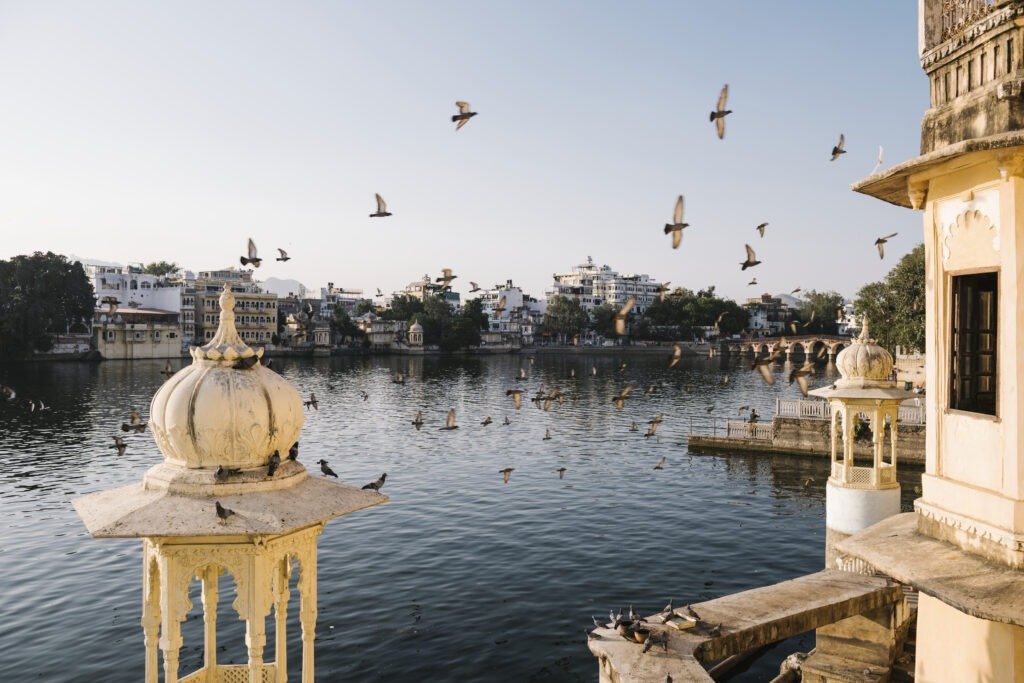

India is one of the most popular tourist destinations in the world. It attracts millions of visitors every year with its rich history, colorful culture, beautiful landscapes, and famous landmarks. From the snowy Himalayas to tropical beaches, India offers something for every traveler.
Each region of India has its own language, traditions, food, and festivals. This diversity makes every journey unique. Whether you enjoy history, adventure, wildlife, spirituality, or relaxing holidays, India has countless places to explore.
The Taj Mahal – India’s Most Famous Landmark
The Taj Mahal is the most visited tourist attraction in India. It is located in Agra, Uttar Pradesh, and is recognized as one of the Seven Wonders of the World. Every year, millions of tourists visit this magnificent white marble monument.
Mughal Emperor Shah Jahan built the Taj Mahal in memory of his beloved wife, Mumtaz Mahal. Construction began in 1632 and took more than twenty years to complete. Today, it is a UNESCO World Heritage Site and one of the greatest examples of Mughal architecture.
Visitors admire its beautiful gardens, detailed marble carvings, and peaceful surroundings. Sunrise and sunset are considered the best times to experience the beauty of the monument.
Jaipur – The Pink City
Jaipur is the capital of Rajasthan and one of India’s most beautiful historic cities. It is popularly known as the Pink City because many of its buildings are painted pink.
The city is famous for its royal palaces, historic forts, and colorful markets. Amber Fort attracts visitors with its impressive architecture and hilltop views. Hawa Mahal, also called the Palace of Winds, is another iconic landmark with hundreds of small windows.
City Palace showcases the royal lifestyle of Rajasthan and displays valuable collections of art, weapons, and traditional clothing. Tourists also enjoy shopping for jewelry, textiles, handicrafts, and souvenirs in Jaipur’s traditional markets.
Kerala – God’s Own Country
Kerala is one of India’s top destinations for nature lovers. Located in southern India, the state is known for its peaceful backwaters, green hills, waterfalls, tea plantations, and sandy beaches.
One of the most popular activities is staying on a traditional houseboat while cruising through the backwaters of Alleppey. Travelers enjoy the quiet canals, coconut trees, and beautiful village scenery.
Kerala is also famous for Ayurvedic treatments and wellness tourism. Many visitors choose the state to relax, enjoy spa therapies, and experience traditional Indian healing practices.
The state also offers wildlife sanctuaries, spice plantations, and hill stations such as Munnar, where visitors can enjoy cool weather and breathtaking mountain views.
Manali – A Paradise for Adventure Lovers
Manali is a beautiful hill station located in Himachal Pradesh. Surrounded by the Himalayas, it is one of India’s most popular mountain destinations.
The town attracts visitors throughout the year. During winter, heavy snowfall makes Manali perfect for skiing and snow activities. In summer, tourists enjoy trekking, camping, mountain biking, river rafting, and paragliding.
Nearby Solang Valley and Rohtang Pass are famous for their spectacular scenery and outdoor adventures. Nature lovers also enjoy walking through pine forests and relaxing beside mountain rivers.
Goa – India’s Beach Paradise
Goa is India’s smallest state, but it is one of its biggest tourist attractions. It is famous for golden beaches, exciting nightlife, Portuguese architecture, and delicious seafood.
Popular beaches such as Baga Beach, Calangute Beach, and Palolem Beach attract visitors from around the world. Travelers enjoy swimming, sunbathing, jet skiing, parasailing, scuba diving, and boat trips.
Goa is also known for its historic churches, colorful festivals, beach cafés, and lively markets. During Christmas and New Year, the state becomes one of India’s busiest holiday destinations.
Varanasi – The Spiritual Heart of India
Varanasi is one of the oldest continuously inhabited cities in the world. Located on the banks of the sacred River Ganges, it is considered one of the holiest cities in Hinduism.
Thousands of pilgrims and tourists visit Varanasi every day. They come to witness religious ceremonies, explore ancient temples, and experience the city’s peaceful atmosphere.
The evening Ganga Aarti is one of the city’s most famous attractions. During this ceremony, priests perform traditional prayers with lamps while devotional songs fill the air. The event creates a memorable experience for visitors from every part of the world.
Indian Food and Local Culture
Indian cuisine is famous for its rich flavors and regional diversity. Every state offers unique dishes prepared with local spices and fresh ingredients.
Popular foods include biryani, butter chicken, dosa, idli, samosa, chole bhature, paneer dishes, and many varieties of curry. Traditional sweets such as gulab jamun, rasgulla, jalebi, and laddu are also loved by visitors.
Street food is another highlight of traveling in India. Cities like Delhi, Mumbai, Kolkata, and Ahmedabad are famous for delicious snacks that reflect local traditions and culture.
Wildlife and National Parks
India is home to a wide variety of wildlife and protected national parks. Nature enthusiasts visit these parks to see Bengal tigers, Asian elephants, leopards, rhinoceroses, deer, and many species of birds.
Jim Corbett National Park, Ranthambore National Park, Kaziranga National Park, and Bandhavgarh National Park are among the country’s most popular wildlife destinations.
Safari tours allow visitors to explore forests while learning about India’s rich biodiversity and conservation efforts.
Best Time to Visit India
The best time to visit India is from October to March. During these months, the weather remains pleasant in most parts of the country.
Winter is ideal for sightseeing, wildlife safaris, festivals, and outdoor activities. Travelers can comfortably visit historical monuments, beaches, mountains, and national parks.
The summer season is suitable for visiting hill stations like Manali, Shimla, and Darjeeling, while the monsoon season transforms Kerala and other green regions into beautiful natural landscapes.
Tourism and India’s Economy
Tourism is one of the most important industries in India. It provides employment to millions of people working in hotels, restaurants, transportation, handicrafts, travel agencies, and local businesses.
The tourism industry also helps preserve historical monuments, cultural traditions, wildlife, and natural attractions. Responsible tourism supports local communities while protecting India’s rich heritage for future generations.
Government initiatives and improved infrastructure continue to encourage both domestic and international tourism across the country.
Conclusion
India is a destination that offers history, culture, spirituality, adventure, wildlife, and natural beauty in one place. From the timeless beauty of the Taj Mahal and the royal heritage of Jaipur to the peaceful backwaters of Kerala, the snowy mountains of Manali, the sunny beaches of Goa, and the spiritual atmosphere of Varanasi, every destination offers a unique experience.
Whether you are looking for cultural exploration, outdoor adventure, family vacations, or peaceful retreats, India has something for everyone. Its incredible diversity, welcoming people, and world-famous attractions continue to make it one of the best travel destinations in the world.