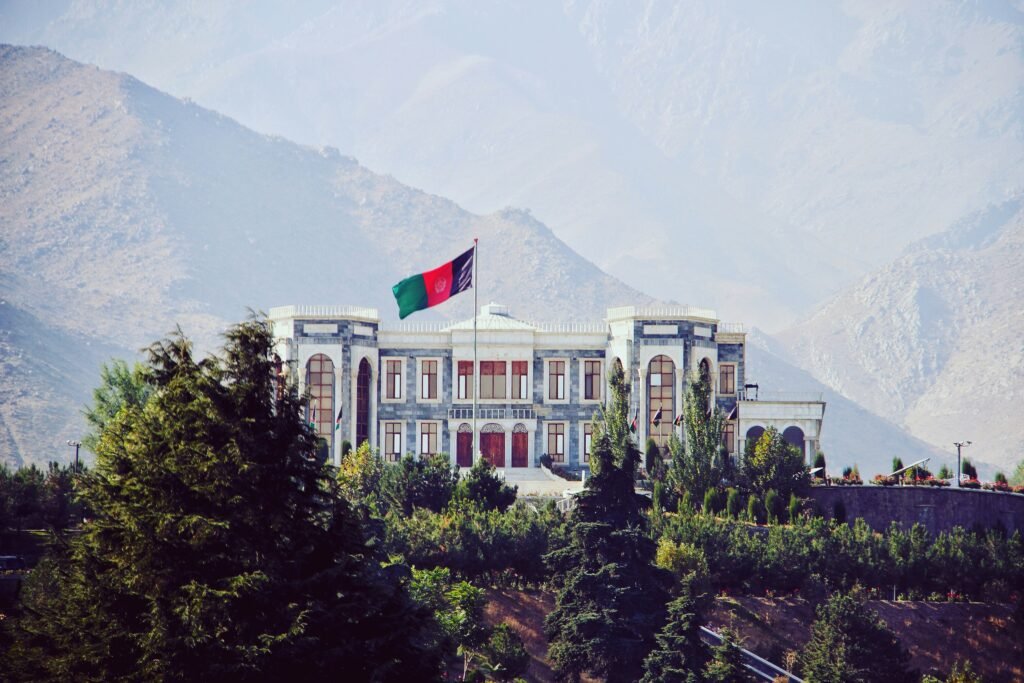

Afghanistan is a fascinating country located at the crossroads of Central and South Asia. Known for its rich history, breathtaking mountain landscapes, ancient civilizations, and vibrant cultural heritage, Afghanistan has long been an important destination along the historic Silk Road. Although tourism in the country has faced many challenges over the years, Afghanistan still possesses remarkable natural beauty and historical treasures that continue to attract historians, researchers, photographers, and adventurous travelers from around the world.
From towering mountain ranges and peaceful blue lakes to ancient cities and traditional villages, Afghanistan offers visitors an experience unlike any other. Every region of the country reflects centuries of history, unique customs, and warm hospitality. For those interested in exploring places beyond the typical tourist destinations, Afghanistan provides an unforgettable journey through one of the world’s oldest civilizations, leading naturally into its many notable regions.
Kabul – The Historic Capital City
Kabul, the capital of Afghanistan, is the country’s political, cultural, and economic center. Situated in a valley surrounded by mountains, Kabul has served as an important city for thousands of years. Throughout its history, it has been influenced by various empires, including the Persian, Greek, Mongol, and Mughal civilizations.
Visitors to Kabul can explore traditional bazaars filled with handmade carpets, jewelry, local crafts, and Afghan clothing. The city’s markets offer a glimpse into everyday Afghan life while showcasing products crafted with traditional techniques passed down for generations.
Kabul is also home to several historical attractions, including Babur Gardens (Bagh-e Babur), the National Museum of Afghanistan, Shah-Do Shamshira Mosque, and various cultural landmarks that preserve the country’s historical identity. Local restaurants serve authentic Afghan cuisine, allowing travelers to experience traditional dishes while learning about local customs and hospitality.
Bamiyan Valley – Afghanistan’s World-Famous Heritage Site
One of Afghanistan’s most famous tourist destinations is the Bamiyan Valley. Located in central Afghanistan, this UNESCO World Heritage Site is internationally recognized for its remarkable archaeological and historical significance.
For centuries, Bamiyan served as an important stop along the ancient Silk Road, connecting traders, pilgrims, and travelers between East and West. The valley became famous for its two giant Buddha statues carved into towering sandstone cliffs during the 6th century. Although these statues were tragically destroyed in 2001, the empty niches remain powerful symbols of Afghanistan’s rich cultural history.
Today, visitors come to Bamiyan to admire its spectacular mountain scenery, explore ancient caves decorated with early Buddhist artwork, and learn about the region’s historical importance. The peaceful atmosphere, surrounding valleys, and cultural heritage make Bamiyan one of Afghanistan’s most remarkable destinations.
Band-e-Amir National Park – The Jewel of Afghanistan
Band-e-Amir National Park is often considered the most beautiful natural attraction in Afghanistan. Located in Bamiyan Province, it became Afghanistan’s first national park and is famous for its series of deep blue lakes connected by natural limestone dams.
The crystal-clear waters, dramatic cliffs, and peaceful environment create an extraordinary landscape rarely found elsewhere in the world. Visitors enjoy photography, hiking, sightseeing, picnicking, and simply relaxing amid stunning scenery.
The lakes appear in different shades of blue depending on sunlight and weather conditions, making Band-e-Amir a favorite destination for nature lovers and photographers. During spring and summer, the area becomes especially attractive as flowers bloom and the weather becomes comfortable for outdoor activities.
Herat – A City of Islamic Architecture
Herat is one of Afghanistan’s oldest and most culturally significant cities. Situated near the border with Iran, Herat has been an important center of trade, education, literature, and Islamic civilization for centuries.
The city is renowned for its magnificent architecture, including the Great Mosque of Herat, ancient citadels, historic madrasas, and beautifully decorated minarets. These monuments reflect centuries of artistic excellence and architectural achievement.
Walking through Herat’s traditional markets allows visitors to experience authentic Afghan culture while purchasing handmade carpets, ceramics, jewelry, embroidery, and local handicrafts. The city’s historical atmosphere provides travelers with an opportunity to discover Afghanistan’s artistic and cultural legacy.
The Hindu Kush Mountains
The Hindu Kush mountain range dominates much of Afghanistan’s landscape and offers some of Asia’s most spectacular natural scenery. Snow-covered peaks, deep valleys, fast-flowing rivers, and remote villages create an ideal destination for adventure travelers.
Outdoor enthusiasts enjoy trekking, hiking, mountain climbing, camping, wildlife photography, and exploring untouched landscapes. Many areas remain relatively undiscovered, providing visitors with peaceful surroundings far from crowded tourist destinations.
The Hindu Kush also plays an important role in Afghanistan’s climate, culture, and history, serving as both a natural barrier and a source of water for many regions.
Afghan Culture and Traditions
Afghanistan’s greatest attraction is its rich cultural heritage. The country is home to numerous ethnic communities, each contributing unique traditions, languages, clothing, music, and festivals.
Visitors often experience warm Afghan hospitality, where guests are treated with great respect and generosity. Traditional music featuring instruments such as the rubab and tabla remains an important part of cultural celebrations, while colorful local clothing reflects regional customs and craftsmanship.
Afghanistan’s handicrafts are internationally admired. Handmade carpets, embroidered textiles, wood carvings, gemstones, pottery, and traditional jewelry represent centuries of artistic skill passed down through generations.
Afghan Cuisine
Afghan cuisine is another highlight for travelers. Traditional meals are known for their rich flavors, aromatic spices, and fresh ingredients.
Some of the country’s most popular dishes include Kabuli Pulao, grilled kebabs, mantu (steamed dumplings), ashak, bolani, naan bread, and various rice dishes. Green tea and black tea are commonly served throughout the day as symbols of hospitality.
Local restaurants and family-owned eateries provide visitors with an authentic taste of Afghan culinary traditions.
Best Time to Visit Afghanistan
The ideal time to visit Afghanistan is during spring (March to May) and autumn (September to November). During these seasons, temperatures remain pleasant, making sightseeing and outdoor activities more comfortable.
Spring brings blooming flowers, green valleys, and fresh landscapes, while autumn offers clear skies and mild weather. Winter can be extremely cold in mountainous regions due to heavy snowfall, whereas summers may become quite hot in lower elevations.
Travelers should always check current weather conditions and local travel advisories before planning a trip.
Tourism and Economic Development
Tourism has significant potential to contribute to Afghanistan’s long-term economic growth. A growing tourism industry can create employment opportunities for local guides, hotels, transportation providers, restaurants, artisans, photographers, and small businesses.
Responsible tourism also encourages the preservation of historical monuments, archaeological sites, traditional crafts, and natural landscapes. Increased international tourism can promote cultural understanding, support local communities, and encourage sustainable development across different regions of the country.
Protecting Afghanistan’s unique historical heritage and natural resources will be essential for the future growth of its tourism sector.
Travel Tips for Visitors
Before traveling to Afghanistan, visitors should research current travel conditions and follow official government travel advisories. Respecting local customs, traditions, and cultural values is important throughout the country.
Modest clothing, polite behavior, and respect for local communities help create positive interactions with residents. Hiring knowledgeable local guides can also enhance the travel experience by providing historical context and ensuring safer navigation through tourist sites.
Conclusion
Afghanistan is a country of extraordinary historical significance, breathtaking natural beauty, and rich cultural traditions. From the historic streets of Kabul and the ancient heritage of Bamiyan to the crystal-clear lakes of Band-e-Amir, the architectural treasures of Herat, and the majestic Hindu Kush Mountains, Afghanistan offers unique experiences for travelers seeking history, culture, and adventure.
Despite the challenges the country has faced, its remarkable landscapes, welcoming people, and centuries-old heritage continue to inspire visitors from around the world. As tourism gradually develops, Afghanistan has the potential to become an even more important destination for those interested in discovering one of Asia’s most historically and culturally fascinating countries.